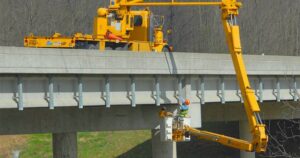
Photo 1 – Using a snooper truck to inspect the bridge
In this post we’ll be focusing on the inspection types, intervals and some of the procedures commonly used to evaluate bridges. The Federal Highway Administration publishes the National Bridge Inspection Standards (NBIS), which are standards established over the safety inspections of highway bridges on public roads.
The 7 types of bridge inspections are detailed below, along with their inspection intervals and some basic information on the procedures:
- Initial Inspection – This is also referred to as an inventory inspection. This inspection records required bridge inventory data such as element member types and their geometry, establishes baseline conditions, and documents the timeline and necessity of other types of inspections.
- Inspection Interval: 90 days after bridge completion for state or federally owned bridges, 180 days for all other bridges
- Routine Inspection – These are regularly scheduled inspections where observations are made about the condition of all the bridge elements, to identify any changes from the initial or previous routine inspection, and to ensure that the bridge is still satisfying current safety requirements.

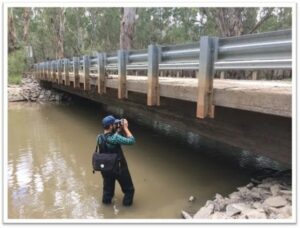
Photo 2 – Photographing the bridge for future comparison
- Inspection Interval: Not to exceed 24 months. May be extended to 48 months if the bridge meets certain criteria established by FHWA and approved by the Program Manager.
- In-Depth Inspection – This is a close-up, detailed inspection of one or more bridge components, using visual or nondestructive testing techniques to detect any deficiencies not easily found using routine inspection procedures. This can be performed at the same time as other inspection types as necessary.
- Inspection Interval: As scheduled and performed at the discretion of the bridge owner
- Fracture-Critical Member Inspection – A fracture critical member is a steel member in tension whose failure would probably cause a portion of or the entire bridge to collapse.
- Inspection Interval: Not to exceed 24 months

Photo 3 – Using a hammer to check for delamination of the deck
- Inspection Interval: Not to exceed 24 months
- Underwater Inspection – This is necessary if any portion of the bridge substructure is underwater and cannot be inspected visually by wading or probing.
- Inspection Interval: Not to exceed 60 months, may be extended to 72 months if the bridge meets criteria established by the FHWA and approved by the Program Manager
- Special Inspection – These are scheduled at the discretion of the bridge owner and are used to monitor a specific or suspected deficiency such as cracking, settlement, or scour.

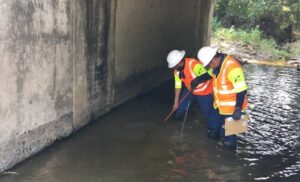
Photo 4 – Checking scour depths at bridge supports
- Inspection Interval: As scheduled and performed by the bridge owner
- Damage Inspection – These are unscheduled inspections in response to either environmental events (i.e. earthquakes) or man-made (i.e. truck impacts).
- Inspection Interval: When events occur.